The Science of Mud Play
.webp)
1. Soil Is a Living Learning Material
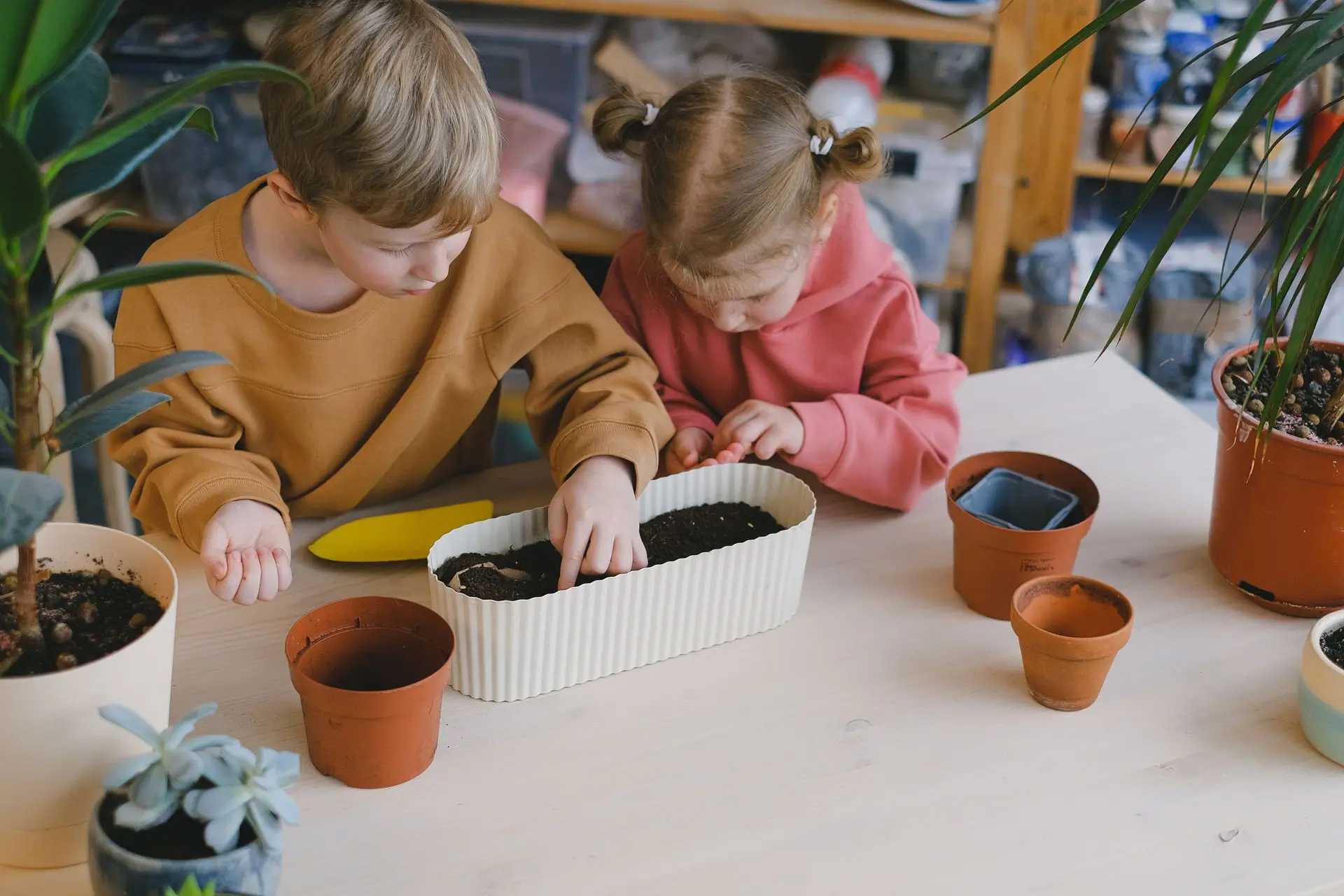
Handling soil exposes children to a wide range of harmless environmental microbes. Regular outdoor play is associated with a more varied gut and skin microbiome, and it gives the immune system useful early practice.
2. Mud Builds Physics Intuition
Wet earth behaves differently from dry earth, and children discover that by digging, pouring, damming, and rebuilding. Weight, flow, and volume become physical experiences long before they become words.
Mess Has a Regulating Effect
Open-ended sensory play outdoors tends to settle children who arrive restless. Slow, repetitive hand work in a natural material is calming in a way that structured indoor activities often are not.
.webp)
Set It Up Without Stress
- Keep one set of clothes that is allowed to get ruined.
- Choose a corner of the garden or a deep tray on a balcony.
- Add scoops, jugs, and sticks rather than plastic toys.
Sensible Precautions
Wash hands before eating, cover any open cuts, and avoid areas used by animals. Beyond that, the goal is for the child to lead the play rather than to keep the activity tidy.
Try This for the Next 7 Days
- Spend twenty minutes outdoors in any weather.
- Offer water alongside soil and let the mixing happen.
- Resist correcting or directing the play.
- Talk about what they noticed, not what they made.
David Backham
Forest & Nature Program Lead
Nurtiva articles are written by members of our education, health, nutrition, and program teams and are intended as practical family guidance rather than individualized medical or therapeutic advice.
.webp)

.webp)