
The 'No-Pressure' Plate
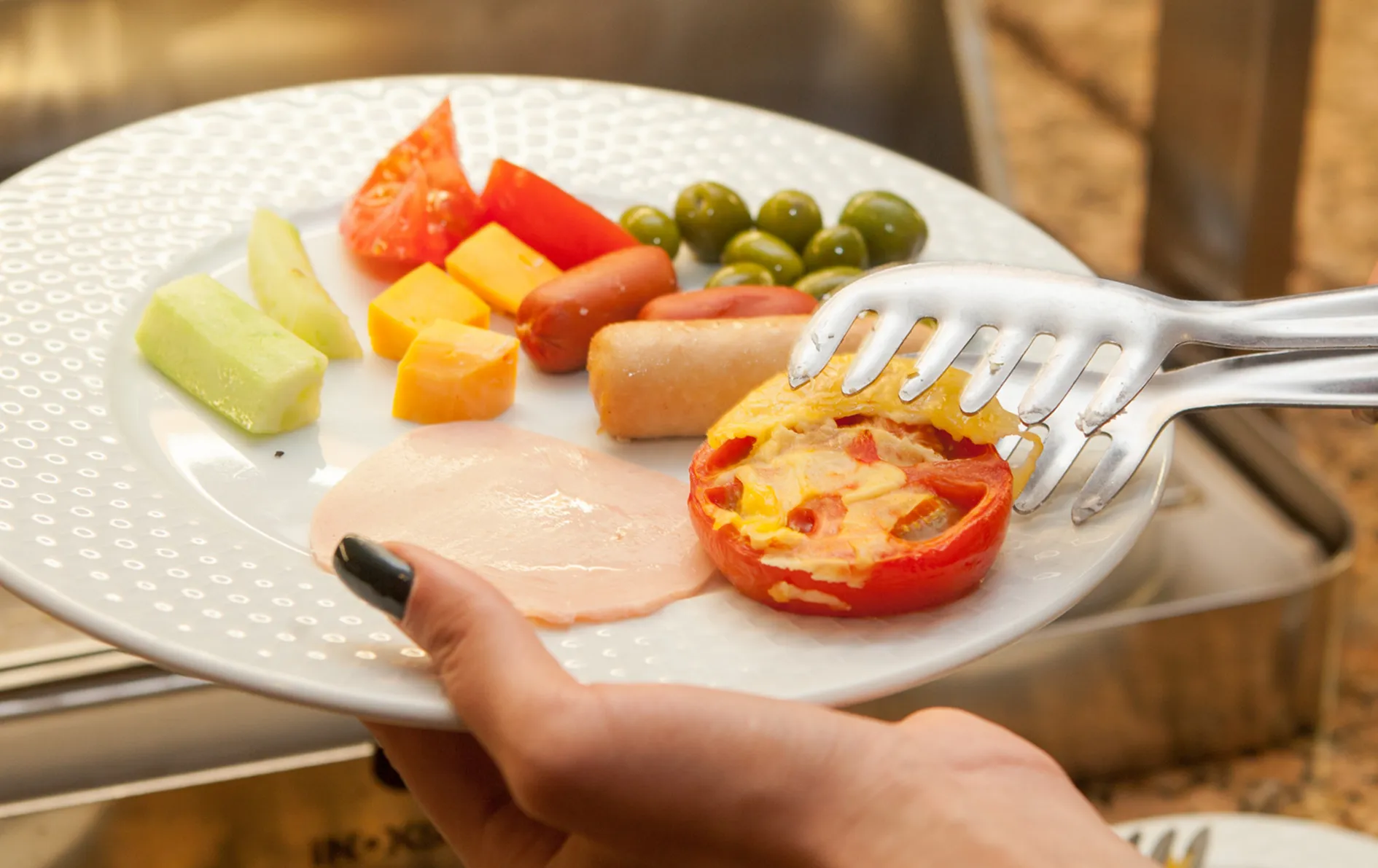

1. Serve Vegetables Without an Agenda
The fastest way to end a mealtime standoff is to remove the pressure entirely. Place the vegetable on the table, take some yourself, and say nothing about it. Children accept new foods far more readily when acceptance is not being watched.
.webp)
2. Exposure Beats Persuasion
Most children need to meet a new food many times before tasting it. Looking at it, touching it, and putting it back on the plate all count as progress. Negotiation, bribery, and dessert bargaining usually slow that process down.
Let Children Serve Themselves
A small pair of tongs and a shared bowl give a child a genuine decision to make. Autonomy at the table lowers resistance, and portions chosen by the child are far more likely to be eaten.

Simple Plate Rules That Help
- Always include one food you know your child enjoys.
- Keep new items small and beside, not on top of, familiar food.
- End the meal calmly whether or not the vegetable was touched.
Cooking Together Changes the Answer
Children who wash, tear, stir, or arrange a vegetable are noticeably more willing to taste it. Preparation turns an unfamiliar item into something they helped create.
Try This for the Next 7 Days
- Offer the same vegetable three times, prepared differently.
- Avoid commenting on how much was eaten.
- Let your child plate their own portion.
- Eat the same food yourself at the same table.
Chef Marco Ruiz
Culinary & Nutrition Director
Nurtiva articles are written by members of our education, health, nutrition, and program teams and are intended as practical family guidance rather than individualized medical or therapeutic advice.
.webp)
.webp)