Tactile Letters vs. Flashcards

1. Letters Are Learned Through the Hands First
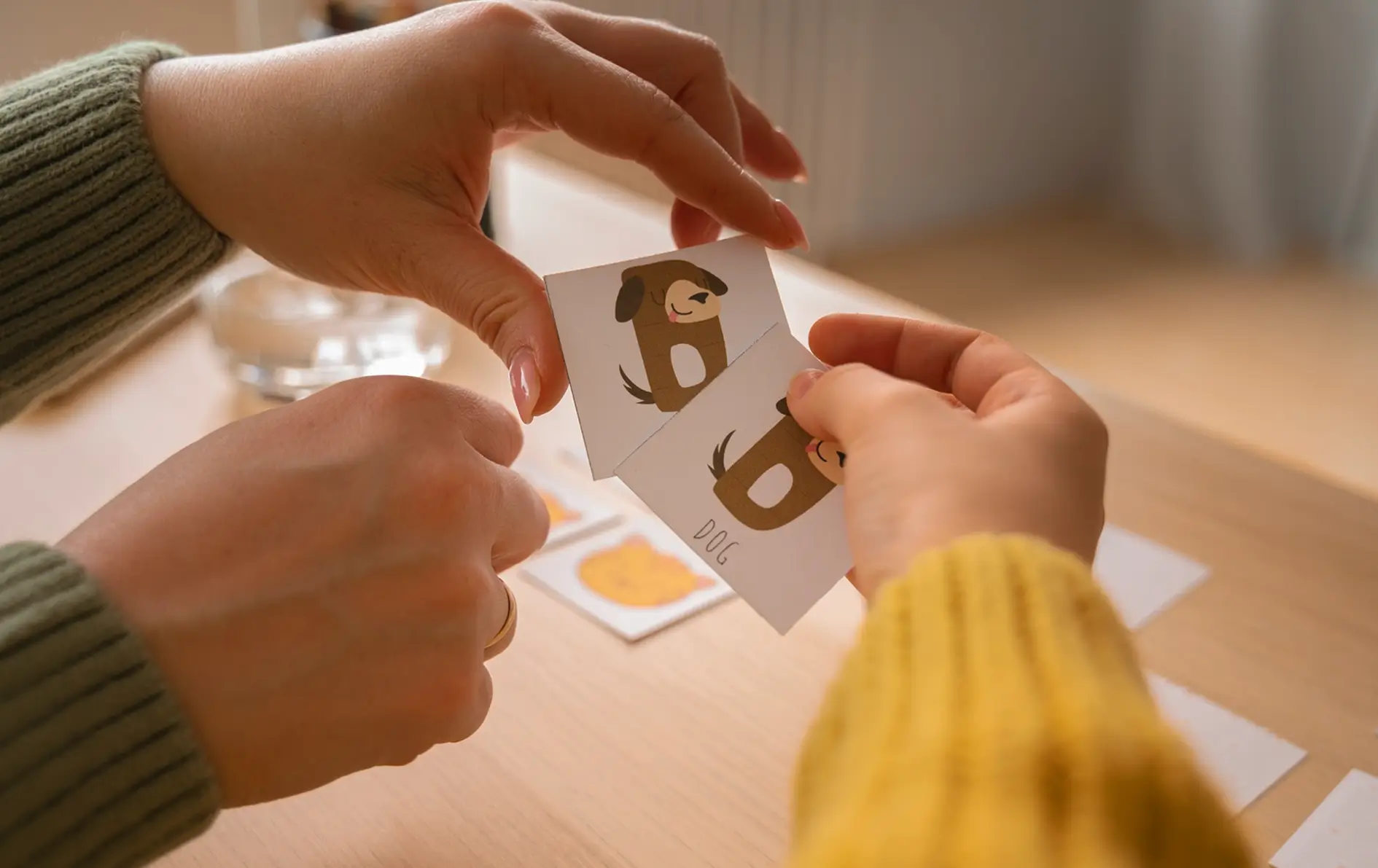
Before a child can recognise a letter on a page, the brain benefits from feeling its shape. Sand trays, clay ropes, felt cut-outs, and finger tracing all build a motor memory of the letter that later supports fast visual recognition.
2. Why Flashcards Alone Plateau
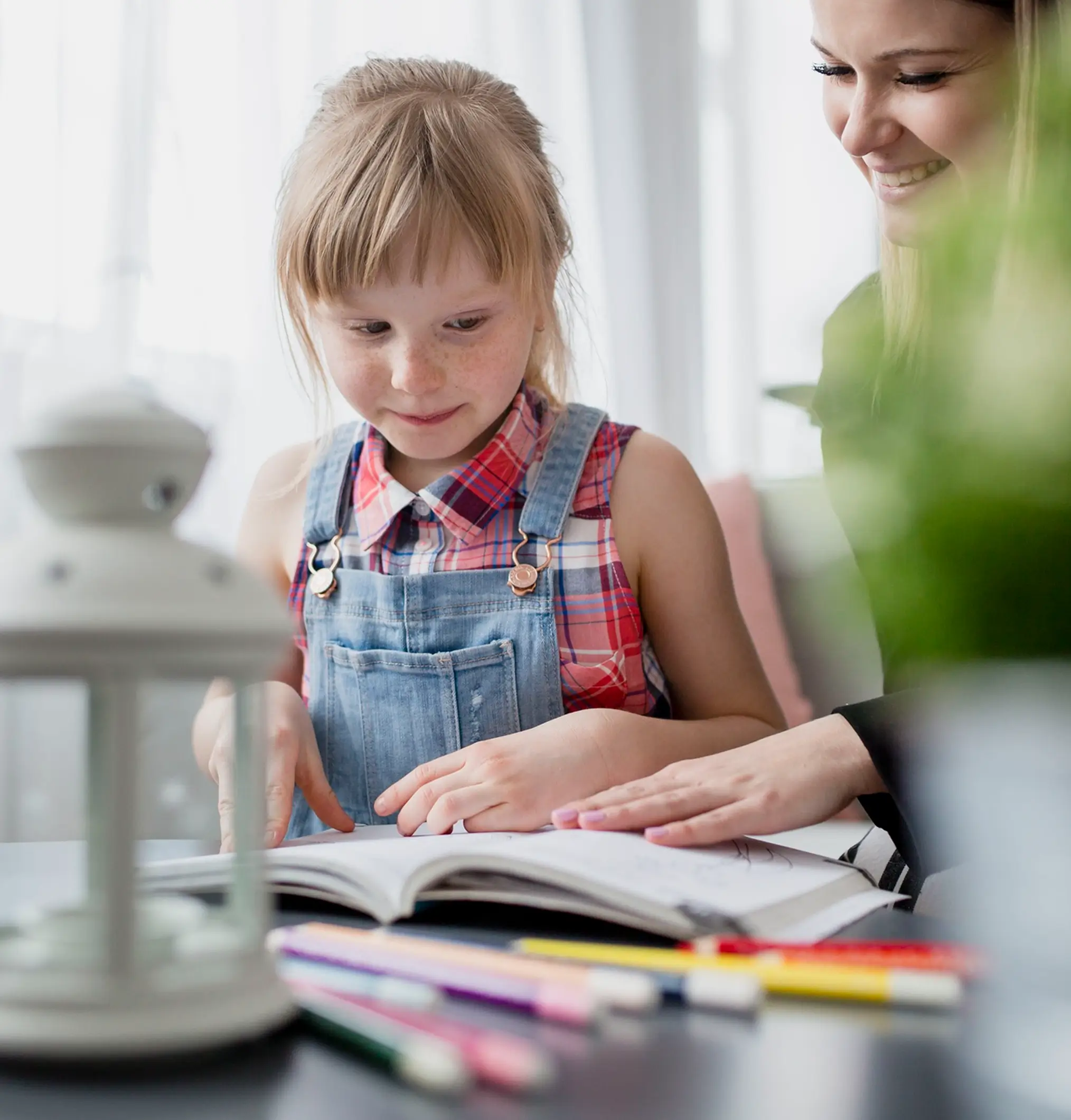
Flashcards ask a child to recall a symbol without any physical anchor. They can be useful for review, but on their own they tend to produce quick early gains followed by a plateau, especially for children who are still developing fine motor control.
Build the Sound Before the Symbol
Children read faster when the letter already carries a sound they enjoy making. Sing it, stretch it, hunt for it in the room, and only then introduce the printed form. The symbol becomes a label for something familiar rather than a new abstraction.

Materials That Work at Home
- A shallow tray of semolina or fine sand for tracing.
- Play dough ropes rolled into curves and straight lines.
- Chunky chalk on an outdoor wall or paving stone.
Keep Sessions Short and Joyful
Three or four minutes of playful letter work each day outperforms a twenty-minute drill once a week. Stop while the child still wants more, and the invitation stays attractive tomorrow.
Try This for the Next 7 Days
- Choose one letter from your child's own name.
- Trace it in a sensory material before writing it on paper.
- Find that letter on packaging, signs, and book covers.
- Celebrate the attempt, not the neatness of the shape.
Elena Rostova
Literacy & Language Lead
Nurtiva articles are written by members of our education, health, nutrition, and program teams and are intended as practical family guidance rather than individualized medical or therapeutic advice.
.webp)
.webp)