
Calm Toddler Bedtime Rhythms


1. Light Is the Strongest Bedtime Signal
A toddler's body clock responds to light far more than to instructions. Bright, active mornings and warm, dim evenings do more for bedtime than any amount of negotiation at eight o'clock.

2. Keep the Sequence, Not the Clock
Children settle to a predictable order of events rather than a precise time. Bath, pyjamas, two books, one song, lights out — repeated in the same order — becomes a signal the nervous system recognises within minutes.
Wind Down Before the Bedroom
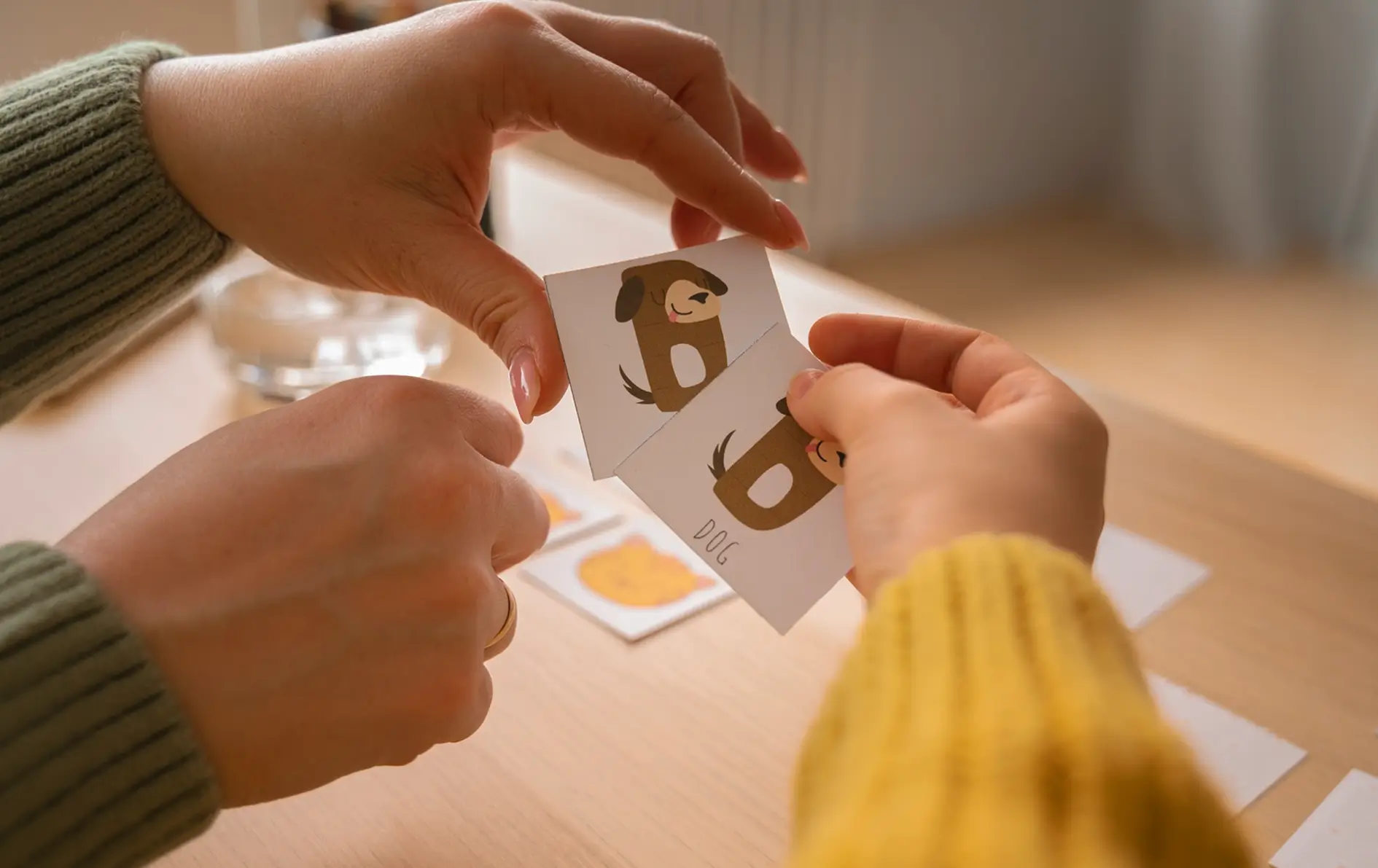
The half hour before bed matters more than the bedtime itself. Slow the household down: lower voices, lower lights, and swap fast play for puzzles, blocks, or a quiet story on the floor.
.webp)
Common Evening Traps
- A late nap that pushes natural sleep pressure past bedtime.
- Overhead lighting kept bright until the final moment.
- Energetic play or screens in the last thirty minutes.
When Bedtime Still Falls Apart
Resistance is often about separation rather than sleep. A short, warm connection ritual before lights out usually settles more quickly than a longer negotiation at the door.
Try This for the Next 7 Days
- Get fifteen minutes of morning daylight outdoors.
- Dim the lights an hour before bed.
- Use the same five steps in the same order every night.
- Keep goodnights short, warm, and consistent.
Jonathan Trot
Sleep & Wellbeing Consultant
Nurtiva articles are written by members of our education, health, nutrition, and program teams and are intended as practical family guidance rather than individualized medical or therapeutic advice.
.webp)

.webp)